


Managing leads efficiently is essential for any growing business. Lead Management Software helps teams capture, track, and nurture prospects smoothly from first inquiry to final conversion. The system provides real-time visibility, automates routine tasks, and ensures that users do not miss any follow-up.
What Is Lead Management Software?
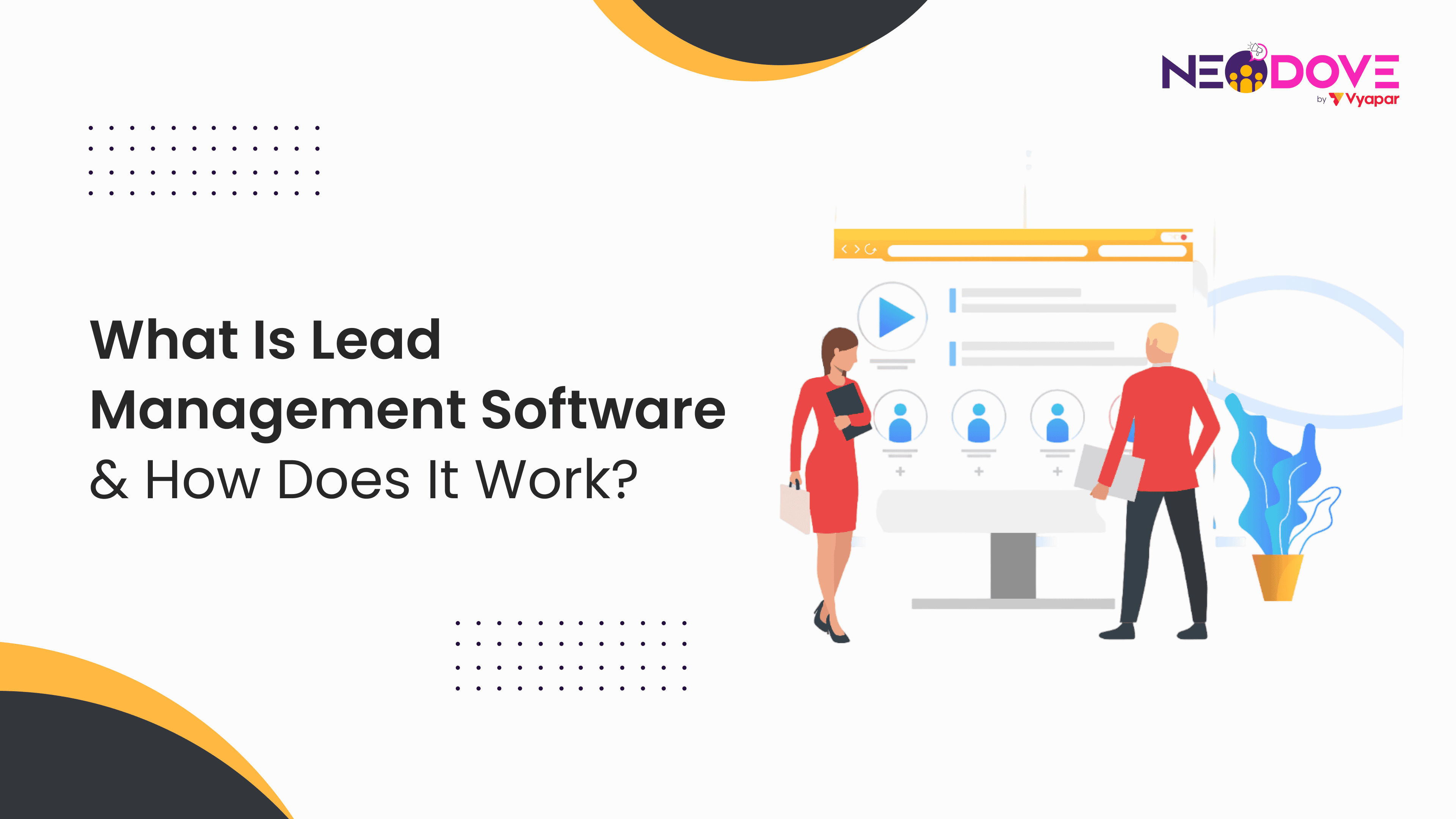
Lead Management Software is a digital system that helps businesses capture, track, organize, and nurture leads until they’re ready to buy. Think of it as a smart helper. It keeps every prospect updated. It assigns leads to the right team members. It automates follow-ups. It makes sure no opportunity is missed.
Modern tools also support automating lead scoring, personalized communication, and workflow automation. They often integrate with other systems like CRM platforms, marketing automation tools, or sales management software to support better decision-making and improve overall conversion rates.
Why Is Lead Management Important?
Effective lead management directly influences conversion rates, revenue growth, and customer satisfaction. Without a structured system, businesses risk losing leads due to delayed responses, unorganized data, and inconsistent communication.
Here’s why lead management is critical:
- It ensures faster responses to new inquiries.
- It supports personalized communication based on the lead’s interests.
- It provides real-time visibility into every stage of the journey.
- It helps teams track key performance metrics for better decision-making.
- It strengthens the entire lead strategy and sales process.
How Lead Management Software Works
Rather than following sequential stages, lead management software functions by streamlining the entire lead handling process. Here’s how it typically works:
- Centralizes Leads: Stores all prospect data in one place for easy access by sales and marketing teams.
- Automates Tasks: Schedules reminders, follow-ups, and notifications automatically, reducing missed opportunities.
- Scores Leads: Evaluates leads based on engagement, behavior, and interest to highlight priority prospects.
- Enables Personalized Communication: Sends tailored messages, emails, or alerts based on lead preferences and past interactions.
- Integrates with Other Tools: Connects with CRM system, marketing platforms, and automation tools for seamless operations.
- Tracks Metrics & Insights: Monitors lead activity, team performance, and conversion trends in real-time to optimize strategies.
This approach ensures that leads are consistently engaged, team efforts are focused on high-potential prospects, and decision-makers have visibility into the effectiveness of their lead strategy.
7 Stages of the Lead Management Software Process
Below are the seven important stages that explain how lead management software works seamlessly from start to finish.
1. Lead Capture
Lead capture is the first step where businesses collect lead information from multiple channels – web forms, social media, ads, calls, or offline events. The software automatically stores and organizes this data, reducing manual entry and ensuring accuracy. This creates a steady and structured flow of new prospects for the sales team.
2. Lead Conversion
This stage focuses on converting initial interest into an active opportunity. Lead Management Software speeds this up by automating workflows, assigning leads to the right team members, and ensuring quick engagement. When leads receive fast and relevant responses, conversions naturally improve.
3. Lead Qualification
Not all leads are equally ready to buy. Lead qualification helps businesses analyze the lead’s intent, interest, and fit. The software supports automated lead scoring, ranking prospects based on engagement and behavior. High-scoring leads move to sales, while the rest enter nurturing journeys for future conversion.
4. Lead Nurturing
Lead nurturing builds trust through personalized communication such as emails, SMS, WhatsApp messages, or follow-up calls. During this stage, businesses share helpful content, reminders, and updates to keep leads engaged. The aim is to guide leads through their decision-making process and keep the brand top-of-mind.
5. Sales Acceptance
Once a lead is qualified, it becomes a Sales-Accepted Lead (SAL). Lead Management Software ensures a smooth handover by sharing all previous interactions, notes, progress, and lead tracking details. This minimizes confusion and prepares sales teams for productive conversations with the prospect.
6. Sales Engagement
Sales engagement involves direct communication like demos, discussions, or product walkthroughs. The software tracks every interaction, enabling real-time visibility into the lead’s progress. It helps teams measure engagement performance and identify the most effective channels in the sales management process.
7. Conversion and Follow-Ups
The final stage involves closing the sale and maintaining long-term relationships. Even after conversion, follow-ups play a major role in retention, upselling, and repeat business. Lead Management Software helps schedule reminders, automate tasks, and ensure consistent communication for better customer loyalty.
How Lead Management Software Strengthens Sales Performance
Beyond the structured journey, the software enhances sales operations in several ways:
- Smooth Integration: It can integrate with other systems like CRM platforms, automation tools, chat solutions, and marketing channels to streamline operations.
- Real-Time Visibility: Teams can instantly monitor every lead’s status and track key performance indicators to understand what’s working and what needs improvement.
- Automates Workflows: Task reminders, scoring, lead routing, and notifications become automated, reducing manual work and errors.
- Better Team Collaboration: Marketing and sales teams work together more effectively, supported by shared visibility and consistent communication tools.
Actionable Tips to Improve Lead Management
Here are practical steps businesses can use to build a stronger lead management process:
- Respond to leads within minutes to improve conversions.
- Use consistent qualification criteria to prioritize high-value prospects.
- Personalize communication based on lead behavior and needs.
- Track the entire lead journey using analytics and performance reports.
- Automate follow-ups to ensure no lead is forgotten.
- Review performance regularly and refine your lead strategy.
Conclusion
Lead Management Software helps businesses capture, organize, and convert leads more effectively. With features like real-time visibility, automated workflows, and seamless communication tools, it simplifies even complex lead processes. When used well, it improves conversions, strengthens customer relationships, and drives long-term revenue growth.
FAQs
1. What is the main purpose of Lead Management Software?
Its main purpose is to organize leads, automate follow-ups, and help businesses track and convert prospects efficiently.
2. How does this software boost conversions?
By speeding up responses, improving communication, and automating workflows, it ensures leads receive timely attention—leading to higher conversions.
3. Can Lead Management Software integrate with other tools?
Yes, it can integrate with CRM systems, marketing workflow automation tool, communication apps, and other platforms to unify operations.
4. What is the difference between lead nurturing and qualification?
Qualification determines how ready a lead is to buy, while nurturing builds interest through consistent, personalized communication.
5. How can lead management software improve follow-ups?
Lead management software automates follow-ups by scheduling reminders, tracking interactions, and sending personalized messages. This ensures no lead is overlooked, keeps prospects engaged, and helps teams increase conversion rates efficiently.